
Supporting Foreign Workers Beyond Insurance: Practical Ways Employers Can Build a Healthier Workplace
Key Takeaways
Many workers with valid health insurance still do not access care — language barriers, fear of retaliation, no transportation, and workplace culture are the real obstacles
Mental health strain, occupational injury risk, and housing conditions are the three most consistent health challenges documented among TFWs in Canada — none are solved by a policy number alone
Workers who fear retaliation will not report injuries or health concerns, regardless of policy — reporting channels only function if workers have seen them work
Employers should conduct a seasonal self-audit across seven areas: training accessibility, housing conditions, healthcare access, mental health resources, anonymous reporting, community organization connections, and coverage adequacy
For Canadian employers hiring temporary foreign workers, getting a compliant health plan in place is the necessary first step.
But research keeps showing one uncomfortable point: even workers with private health insurance frequently do not access the care they need.
Issues such as language barriers, fear of retaliation, and no transportation can keep workers from accessing care. And workplace cultures where asking for help feels risky stand between a policy number and an actual appointment.
The reality is that many companies don’t enable or allow these situations intentionally. But they carry real risks – risks that are well worth addressing early.
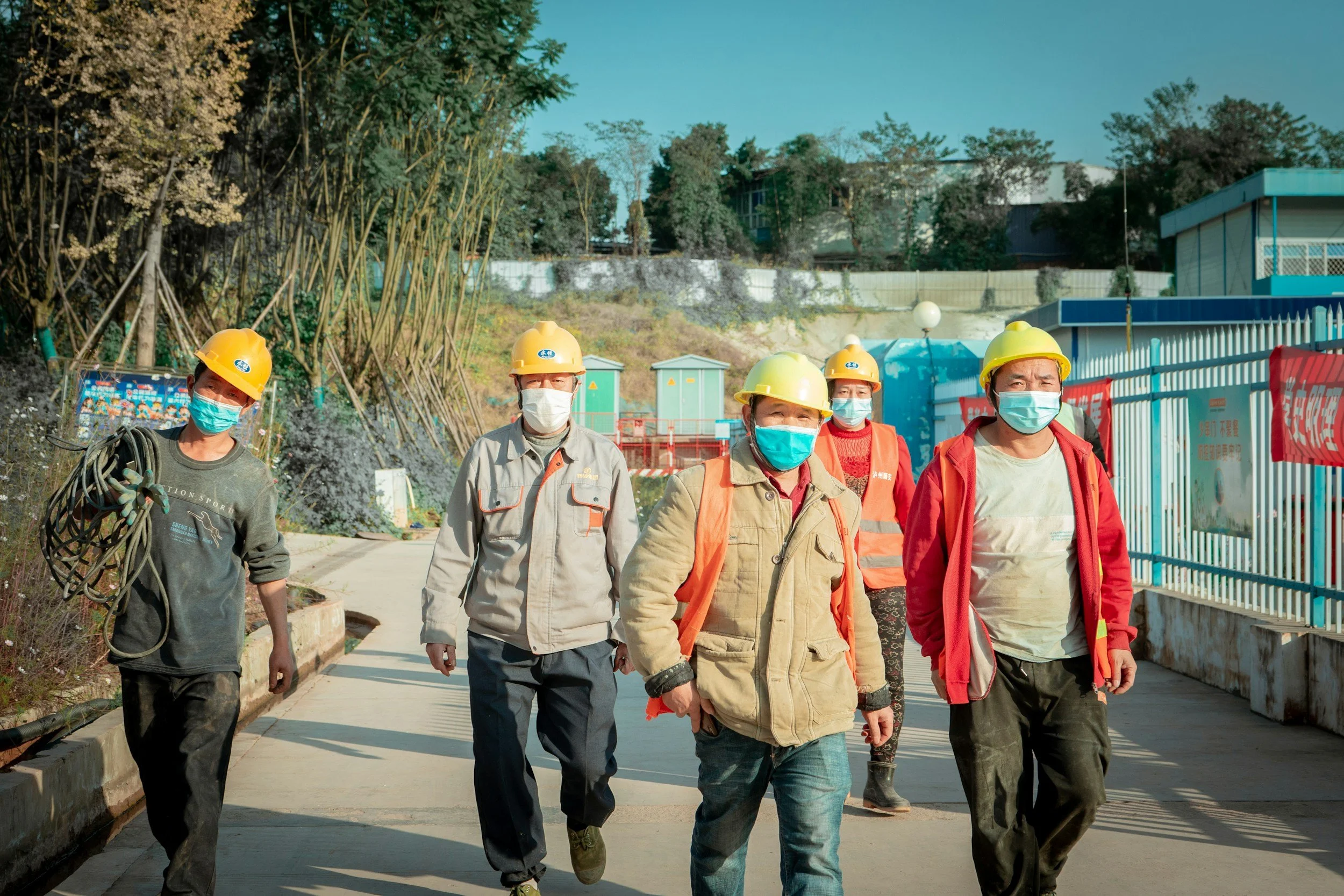
What are the Health Challenges Foreign Workers Face in Canada?
Knowing what workers are actually dealing with can help you analyze and redevelop your workplace health strategy.
Mental health strain and isolation
A scoping review of health outcomes among temporary foreign workers identifies mental health as one of the most significant and consistent concerns.
These are often shaped by precarious immigration status, separation from family, and chronic uncertainty about job security and visa renewal.
Workers describe living in what researchers have called a constant state of anxiety, often avoiding mental health support entirely out of fear that using it will mark them as a problem.
Physical hazards and occupational risk
It’s not just mental risk – there are very real physical challenges that come with foreign worker roles.
Agriculture, food processing, and construction — the key sectors employing many TFWs — carry some of the highest occupational injury rates in Canada. Physical strain, repetitive work, exposure to chemicals and weather, and pressure to keep pace with production targets can quickly compound existing risks.
Plus, many workers under-report injuries because they do not understand the reporting process, do not trust that it is safe to report, or fear being sent home.
Housing and living conditions
Research finds that the way foreign workers live can also affect their overall well-being.
Issues such as overcrowding, inadequate ventilation, poor sanitation, proximity to agrochemical storage, and limited rest and cooking facilities directly harm physical and mental health — and contribute to preventable illness.
Housing is not separate from workplace health strategy; for workers living on-site or in employer-arranged accommodation, it is inseparable from it.
Barriers to accessing care, even when insured
Workers may be nominally insured but still unable to access care because they lack transportation, do not know where to go, cannot communicate in English or French, or fear that missing work for an appointment will cost them their job.
Amnesty International’s reporting on Canada’s TFWP highlights cases where workers endured injury and illness without treatment rather than risk retaliation or deportation.
In short, a health plan that exists on paper but cannot be used in practice is not protecting anyone.
What are Practical Ways to Support Worker Health?
Make safety training accessible, not just available
Safety orientation and ongoing training should, wherever possible, be provided in workers’ primary languages. This includes using clear visuals and demonstrations rather than written binders.
Workers should know explicitly — and repeatedly — that they have the right to refuse unsafe work without risking their job, and how to report hazards through safe channels.
The gap between a training session that happened and one that workers can actually understand and use is where many on-site incidents originate.
Treat housing as part of your health strategy
For employers providing or arranging accommodation, research-based best practices include:
Adequate space per worker
Proper ventilation and air quality
Clean drinking water
Sufficient washroom and cooking facilities
Pest control
Clear separation from chemical storage
Workers who do not sleep and rest adequately, who live in crowded or unsafe conditions, arrive on shift already fatigued and stressed.
Not sure where your housing stacks up? Encourage regular, anonymous feedback (without fear of retaliation) about housing conditions, and act on what you hear.
Build bridges to healthcare, not barriers
One of the best things you can do is ensure that every worker knows where the nearest clinic, urgent care facility, and telehealth option is. Make sure this information is in their language, provided both verbally and in writing, before they need it.
In rural areas, arrange transportation to medical appointments and make it clear that attending them will not affect their employment.
Going beyond the bare minimum — proactive transportation, flexible scheduling — signals something important to workers and their communities.
Prioritize mental health and reduce isolation
Acknowledging that separation from family, language barriers, and uncertain status create real mental health strain is not weakness — it is realism.
Share information on confidential mental health supports available to migrants and newcomers, including national lines and community-based services, in workers’ languages.
Workers who feel socially connected to the workplace are more likely to raise health concerns early, before minor issues become serious ones.
Create safe, functioning channels to speak up
Workers who fear retaliation will not report injuries, unsafe conditions, or health concerns regardless of what your policy says.
Offer multiple channels and communicate clearly and repeatedly that raising concerns will not lead to termination or affect immigration status.
Most importantly? Back this up with consistent action. The difference between a reporting channel that exists and one that workers actually trust is whether people have seen it work.
Connect with community organizations and migrant health services
Organizations like the Occupational Health Clinics for Ontario Workers (OHCOW) have developed resources and support programs specifically for international agricultural workers.
Migrant worker hubs and community health centres in many provinces offer health education, translation, and navigation support that most employers cannot replicate in-house.
Connecting workers to these organizations, or co-hosting health fairs and information sessions with them, strengthens early detection and builds employer credibility in worker communities.
It’s Time to Move from Coverage to Culture
A comprehensive foreign worker health strategy includes both a strong insurance plan and a workplace that genuinely supports workers’ safety, dignity, and access to care.
Neither replaces the other.
Employers who build both are better positioned to retain workers season after season and are well on their way to building the kind of reputation in sending communities that makes recruitment easier.
The FWCHP works with employers across Canada to make sure the insurance foundation is solid. If you’re confident in your coverage but less certain about the broader picture — or want to think through both together — we’re glad to have that conversation.
Ready to build a healthier environment for your foreign workers this season? Book a call with our team to review your coverage and talk through the full picture of worker health support.
Contact us today to book a coverage review.
Frequently Asked Questions
What are the biggest health challenges facing temporary foreign workers in Canada?
Research consistently identifies mental health strain (anxiety, depression, isolation from family), occupational injury risk in physically demanding sectors, inadequate housing conditions, and barriers to accessing care, even when technically insured.
What are Canadian employers legally required to do beyond providing health insurance for foreign workers?
Employers are expected to make reasonable efforts to help workers access healthcare services if they are injured or ill, and to ensure safe working and living conditions. Since 2022, these obligations have been reinforced in the TFWP compliance regime. Non-compliant employers face penalties and program bans.
How does housing affect the health of temporary foreign workers?
Research on migrant worker housing in Canada links overcrowding, poor ventilation, inadequate sanitation, and proximity to chemical storage directly to physical illness, poor sleep, and increased mental health strain. For employers providing accommodation, housing quality is inseparable from workplace health outcomes.
Why do foreign workers avoid seeking medical care even when they have health insurance?
Key barriers include the fear of losing their job or being deported if they miss work for an appointment, lack of transportation in rural areas, language barriers at clinics, not knowing where to go or what the insurance covers, and cultural stigma around mental health.
What practical steps can employers take to improve mental health support for temporary foreign workers?
Provide information on confidential mental health lines and community-based services in workers’ languages before they need them. Facilitate peer support and social connection. Create workplace cultures where workers feel safe expressing difficulty without fear of retaliation. Connect workers with migrant worker health organizations that offer culturally appropriate support.
Looking to provide your foreign workers with the necessary healthcare coverage?
Click through the video below to learn about the FWCHP.