
Why Seasonal Employers Need to Rethink Their Approach to Worker Health
Is your seasonal workforce strategy built for 2025? Or is it still living in 2015?
Recent reports find that one in four seasonal agricultural workers report experiencing serious injuries during their employment term – and Canadian firms paid $4.1 million in compliance fines last year alone.
It’s clear that the old way of obtaining minimal coverage and reactive safety measures is becoming a business liability that threatens operational continuity.
And with the need for hiring and retaining quality foreign workers only going up, it’s more important than ever to make sure you’re providing for your best team members.
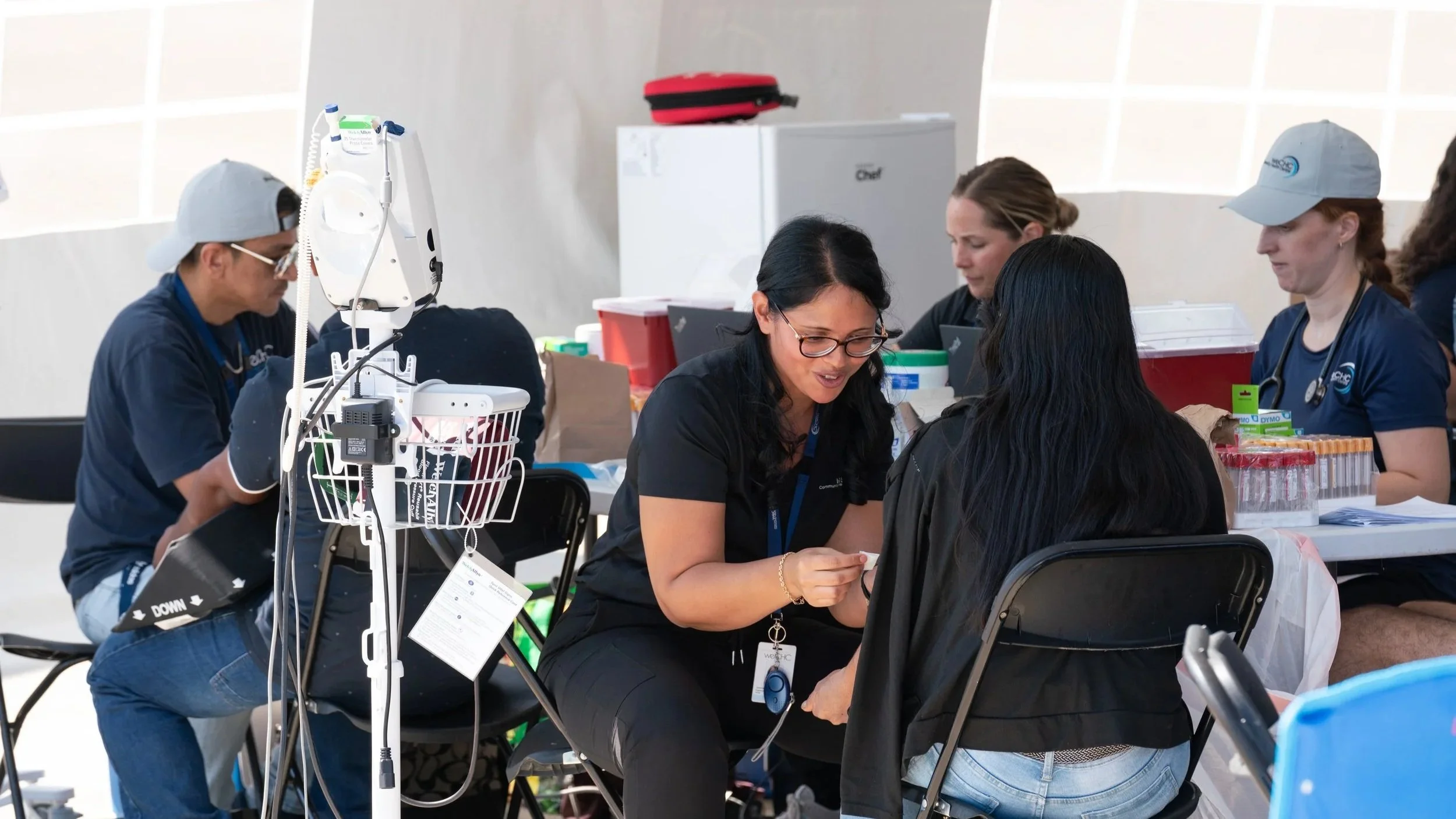
Seasonal Worker Health Shouldn’t Be Ignored
Seasonal workers – both domestic and foreign – are facing disproportionate health risks compared to traditional permanent employees.
Agricultural workers often experience the highest rates of injury in Canada, with issues ranging from musculoskeletal disorders to respiratory conditions – and even pesticide-related illnesses.
In tourism and hospitality, repetitive strain injuries and mental health challenges can create similar risks and outcomes that harm both the worker and their employer.
Every injured worker is an individual whose quality of life is impacted. Plus, the immediate replacement costs and training expenses for new hires can quickly climb, and the risks of potential compliance violations aren’t worth the premium savings.
Remember – There Are Legal Requirements to Provide Health Coverage
You may know that there are compliance requirements around health coverage – but did you know that they extend to your seasonal workers?
Federal and provincial regulations mandate specific coverage for seasonal workers, particularly those under the Seasonal Agricultural Worker Program (SAWP) and Temporary Foreign Worker Program.
Private medical insurance must begin on day one – and must be paid entirely by employers. Provincial safety boards emphasize that seasonal workers have the same rights as full-time employees, including the same emphasis on adequate coverage and fair treatment.
Yet compliance audits continue to reveal persistent violations among many of Canada’s most important industries. Late insurance activation and inadequate coverage levels are both oversights that trigger penalties up to $100,000 per violation.
The worst offenders can also incur multi-year bans from hiring foreign workers and placement on public non-compliance registries.
The Right Health Investment Can Drive Measurable Returns
In 2025, more employers in Canada are finding that comprehensive health benefits – while perhaps a bit more expensive to provide – end up delivering quantifiable advantages.
Recent studies show that providing accessible health coverage boosts rehire rates among seasonal employees by 15-25% within two years. For operations dependent on experienced workers returning each season, this directly translates into better bottom-line performance.
And best of all? It becomes a multiplication effect. Experienced workers require less training, make fewer mistakes, maintain higher productivity, and mentor new hires effectively.
When health benefits encourage skilled workers to return, you're not just filling positions. You're creating and investing in ongoing institutional knowledge that compounds annually.
Health benefits also upgrade employer branding within tight labor markets. Workers who perceive their employer as health-conscious exhibit stronger safety practice adherence and are 40% more likely to recommend positions to peers – a benefit well worth the investment.
Modern Solutions for Modern Challenges
It’s easy to focus on the basics when it comes to seasonal worker health coverage. At a minimum, you want to make sure you’re providing the coverage the average worker will need to stay healthy and on the job.
But modern workers are also modern people. They need more than just basic emergency coverage.
Top employers are those who seek to include flexible, scalable solutions in their coverage. This includes:
Health Spending Accounts (HSAs) that allow workers to allocate funds based on personal needs
Telehealth services that offer 24/7 multilingual medical consultations
Preventive wellness programs that focus on addressing common seasonal worker health challenges
Mental health resources supporting workers isolated from their families
These may seem simple, but they are incredibly powerful retention tools that can prevent costly turnover.
Think about the advantages you gain when workers can access physiotherapy for back strain before it becomes debilitating. Or when they can easily and quickly connect with mental health support during difficult periods. Suddenly, those minor (often uncommunicated) issues don't escalate into season-ending departures.
Plus, it’s never been easier to find options and integrate them into your workforce. New digital health platforms and automated enrollment systems reduce administrative burden – ensuring you’re never more than a click or two away from working with a professional to find the best options for your seasonal workers.
Building Your Strategic Health Framework Starts Now
It’s time to rethink worker health. That means shifting from reactive compliance to proactive protection.
Start by conducting an honest assessment of current health risks and coverage gaps. Not sure how to start? Begin by surveying your workers!
You’ll quickly learn their actual health needs and barriers to care. Then take those needs and work with a strategic partner who knows seasonal employment complexities to choose the best options.
Contact us today for expert guidance on building health programs that protect workers. Our specialized consultants understand seasonal employment challenges and can design solutions that scale with your needs while controlling costs.
Schedule your consultation now – and become an employer who leads the way in seasonal worker protections.
Looking to provide your foreign workers with the necessary healthcare coverage?
Click through the video below to learn about the FWCHP.